The Difference at Vermont Mechanical
Not every mechanical contractor is equipped for healthcare industry projects. We are, and our track record proves it.
Here's what makes Vermont Mechanical the right choice for your facility:
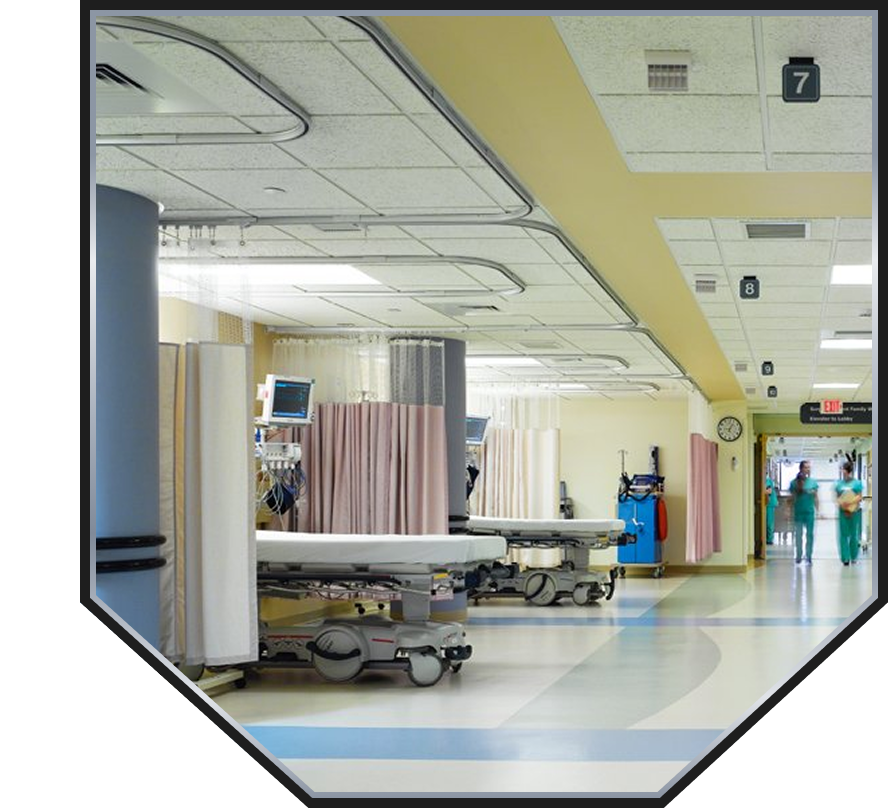
- We work where others won't – We specialize in working safely and efficiently within active, occupied clinical environments, such as operating suites and live patient wings.
- We handle the jobs no one else can – Complex infrastructure overhauls. Multi-phase renovations in functioning facilities. Large-scale inpatient towers with intricate mechanical systems. These are the projects we're known for. When the scope is demanding and the stakes are high, that's when our depth of experience matters most.
- Infection control and patient safety drive every decision – In clinical environments, mechanical work can directly affect patient outcomes. Our team understands the protocols, sensitivities, and non-negotiable standards that govern work in healthcare facilities, and we plan and execute accordingly.
- Innovative technologies and capabilities yield better results – Our use of fully coordinated 3D construction documents, combined with our in-house fabrication capabilities, reduces field errors and keeps complex projects on track.
- We're a long-term partner, not a one-time contractor – The medical centers and healthcare systems we work with come back to us project after project because we show up, deliver, and stand behind our work.
Let’s Start Planning Your Project
Healthcare facilities run on systems that cannot fail, and the contractors who build and maintain them must hold themselves to the highest standards of safety and quality. Vermont Mechanical brings over four decades of experience, a specialized clinical track record, and an unwavering commitment to quality, safety, and accountability to every healthcare project we take on.
Contact Vermont Mechanical today to discuss your healthcare facility’s heating and cooling needs and learn how our commercial HVAC services can help maintain a comfortable, reliable indoor environment.
How often should HVAC systems in healthcare facilities be inspected?
Healthcare facilities depend on reliable heating, ventilation, and air conditioning systems to maintain comfortable indoor environments for patients, medical professionals, and visitors. Because these buildings often operate around the clock, HVAC equipment may experience more consistent use than systems in other commercial properties. Regular inspections and preventive maintenance help identify developing issues and keep equipment operating as expected.
The appropriate maintenance schedule depends on the type of equipment, facility requirements, and manufacturer recommendations. Routine service may include inspecting mechanical components, checking airflow, replacing filters, testing controls, and evaluating overall system performance. Establishing a consistent maintenance schedule can help healthcare facilities reduce unexpected equipment problems and maintain dependable indoor conditions.
Why is HVAC maintenance especially important for medical facilities?
HVAC maintenance plays an important role in supporting the daily operations of medical facilities. Hospitals, clinics, dental offices, and other healthcare environments rely on heating and cooling equipment to maintain consistent temperatures and appropriate ventilation. Equipment problems can create uncomfortable conditions and potentially interfere with normal facility operations.
Preventive maintenance helps reduce the likelihood of unexpected breakdowns while allowing technicians to identify worn components and performance issues. Regular service can also support proper airflow, improve equipment efficiency, and extend the useful life of HVAC systems. For healthcare administrators, keeping mechanical equipment in good working condition is an important part of facility management.
Can HVAC systems help control airborne contaminants in healthcare facilities?
HVAC systems contribute to indoor air quality by circulating, filtering, and conditioning air throughout a building. In healthcare environments, these functions are particularly important because patients and staff may be exposed to different airborne contaminants during daily activities. Proper filtration and ventilation can help reduce certain airborne particles and support a healthier indoor environment.
Different areas of a medical facility may have different ventilation and filtration requirements. Patient rooms, examination areas, laboratories, and specialized treatment spaces may require different HVAC configurations. Healthcare facilities should ensure their systems are designed, maintained, and operated according to applicable building codes and healthcare ventilation standards.
What HVAC requirements are unique to hospitals and healthcare facilities?
Healthcare facilities often have more complex HVAC requirements than traditional commercial buildings. Hospitals and medical offices may include patient rooms, operating areas, laboratories, imaging departments, pharmacies, and administrative spaces, each with different temperature, humidity, and ventilation needs. Certain areas may also require specialized filtration or pressure relationships to support infection prevention protocols.
These requirements make proper system design, installation, and maintenance especially important. HVAC equipment must accommodate the building's intended uses while supporting applicable healthcare regulations and ventilation standards. Working with an experienced commercial HVAC contractor can help facility managers address equipment needs and maintain reliable building systems.
How can healthcare facilities prevent unexpected HVAC breakdowns?
Unexpected HVAC failures can create significant challenges for healthcare facilities, particularly when heating and cooling systems support areas that require consistent environmental conditions. Preventive maintenance is one of the most effective ways to reduce the risk of equipment problems. Regular inspections allow technicians to identify worn components, electrical issues, airflow restrictions, and other concerns before they result in system failure.
Healthcare administrators can also benefit from keeping maintenance records and monitoring equipment performance over time. Tracking recurring repairs, unusual operating patterns, and changes in energy consumption can help identify systems that may need additional attention. Planning equipment replacements before major failures occur can further reduce the likelihood of disruptive service interruptions.
Why is humidity control important in healthcare buildings?
Humidity levels can affect indoor comfort, building materials, and the performance of certain medical environments. Excessive moisture may contribute to condensation, mold growth, and other indoor air quality concerns. On the other hand, air that is too dry can create discomfort for patients and staff while potentially affecting certain equipment and materials.
Commercial HVAC systems help regulate indoor humidity through appropriate heating, cooling, and ventilation processes. Healthcare facilities may have different humidity requirements depending on the purpose of each room or department. Properly maintained equipment and functional humidity controls help facilities maintain conditions appropriate for their operations.
Can healthcare facilities upgrade their existing HVAC systems?
Yes. Healthcare facilities with aging or inefficient HVAC equipment may benefit from upgrading individual components or replacing entire systems. Older equipment can experience declining performance, require increasingly frequent repairs, and consume more energy than newer alternatives. Upgrading outdated systems may improve temperature control, increase operational efficiency, and provide more dependable heating and cooling.
Before beginning an upgrade, facility managers should consider the building's current HVAC capacity, ventilation requirements, existing ductwork, and future operational needs. Medical facilities may also need to maintain specific environmental conditions during construction or equipment replacement. Careful planning helps minimize disruptions while ensuring new equipment is appropriate for the building.
How can healthcare facilities reduce commercial HVAC energy costs?
Heating, cooling, and ventilation can account for a substantial portion of a healthcare facility's energy consumption. Since many medical buildings operate continuously, inefficient equipment and poor system controls can contribute to ongoing operating expenses. Regular maintenance helps equipment operate more efficiently by addressing dirty filters, restricted airflow, worn components, and other issues that increase energy demand.
Facilities may also benefit from upgrading older equipment, improving temperature controls, and evaluating how HVAC systems operate in different areas of the building. Because patient care areas and administrative spaces have different occupancy schedules and environmental requirements, a more tailored approach to system operation may help reduce unnecessary energy use without compromising facility needs.
What should healthcare facilities consider when installing new HVAC equipment?
Installing HVAC equipment in a healthcare facility requires careful consideration of the building's size, layout, occupancy, and intended use. Medical buildings may contain specialized spaces with different ventilation, filtration, temperature, and humidity requirements. Selecting appropriately sized equipment and planning for proper airflow are important steps in supporting consistent indoor conditions.
Facility managers should also consider equipment accessibility, maintenance requirements, energy efficiency, and the potential impact of installation on daily operations. Coordinating HVAC work around patient care schedules can help minimize disruptions. Proper planning and installation help ensure that new equipment supports the facility's current requirements and accommodates future needs.
Why should healthcare providers work with a commercial HVAC contractor?
Healthcare buildings have specialized heating, cooling, and ventilation needs that require careful attention to system performance and reliability. Unlike many traditional commercial properties, medical facilities may need to maintain specific environmental conditions in different departments while operating continuously. An experienced commercial HVAC contractor can help facility managers address equipment concerns and plan appropriate maintenance and replacement services.
Working with a commercial HVAC provider also makes it easier to establish consistent service schedules, identify developing equipment problems, and coordinate repairs when issues arise. From routine maintenance to larger system upgrades, professional HVAC services help healthcare facilities maintain dependable mechanical systems that support their day-to-day operations.